
The overarching theme of Genode 22.08 is the emerging phone variant of Sculpt OS, touching topics as diverse as USB ECM, Mali-400 GPU, SD-card access, telephony, mobile-data connectivity, the Morph web browser, and a custom user interface. Among the further highlights are new tracing tools, improved network performance USB smart-card support, and VirtIO drivers for RISC-V.

Kernel and u-boot upgrade to latest upstream versions (2022.07 and 5.15.y / 5.19.y LTS). New Rockchip RK3588 Rock 5b WIP target. Enabled additional code security analysis. Improved kernel and u-boot upgrade testing, which can now run even on every commit to the code base. Enabled automated build processes to regenerate community supported images weekly. Improved documentation for board maintainers and developers.

MX 21.2 is the second refresh of our MX 21 release, consisting of bug fixes, kernels and application updates since our original release of MX 21. If you are already running MX 21, there is no need to reinstall. Packages are all available through the regular update channel. Highlights include: Debian 11.4 'Bullseye' base; mx-installer received several bug fixes and improvements; mx-tweak has new options for disabling Bluetooth adapters and moving Xfce/GTK file dialog buttons to bottom instead of the top of the dialog; Fluxbox gets a new mxfb-look tool to save and restore theme combinations; mx-updater/apt-notifier has option to use nala as the backend; kernel cleanup tool added to mx-cleanup; disk space check for /boot partitions to make sure a disk has enough room for a kernel update before the update starts....

Also updated the LIVE release

bluestar-linux-5.19.4-2022.08.27-x86_64 has been released and is available
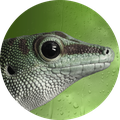
The GeckoLinux project is pleased to announce major updates to all editions of the Static branch, built from openSUSE Leap 15.4. This series of spins has significantly better support for new hardware thanks to the much newer kernel in openSUSE Leap 15.4. Most packages and desktop environments also have have significant new versions compared to the previous release built from openSUSE Leap 15.3. For this GeckoLinux release, permissions have been relaxed for easier printer administration without the root password. Apart from the major openSUSE updates, there are other no other major tweaks to the GeckoLinux configuration, which was already significantly improved in the previous release.
The GeckoLinux project is pleased to announce major updates to all editions of the Rolling branch, built from a recent snapshot of openSUSE Tumbleweed. For this GeckoLinux release, permissions have been relaxed for easier printer administration without the root password. Apart from the major openSUSE Tumbleweed updates included in this release, there are other no other major tweaks to the GeckoLinux configuration, which was already significantly improved in the previous release. GeckoLinux Rolling users with existing installations can simply update their systems with sudo zypper dup to receive the latest updates directly from openSUSE Tumbleweed and Packman mirror servers.

Limine bootloader now version 3.16, which has fixes for some old computers, so prefer fresh write to the usb-stick, rather than update. Features of this release: Firefox 104.0, SeaMonkey 2.53.13, Limine 3.16 A complete recompile in OE, now "-r4", removed all efi-related packages. Samba is now builtin. Geany-plugins now builtin. Nim language compiler is in the devx sfs.

Harden several aspects of our Linux kernel. Disable HTTPS-only mode in the Unsafe Browser to make it easier to sign in to Wi-Fi networks. Update Tor Browser to 11.5.2. Update tor to 0.4.7.10. Update the Linux kernel to 5.10.136. This should improve the support for newer hardware: graphics, Wi-Fi, and so on. It will also fix an important vulnerability

There have been a fair few changes to the offering when it comes to Desktop Environments and Window Managers. This time we have opted to include just Window Managers. These being dk, Openbox, i3-gaps, bspwm and fluxbox. Of course all the previous offerings are available via the Arch repositories or the AUR where applicable. As this has become a regular for us, we yet again include two different kernels via separate ISO's. The biggest change for us is the inclusion of a live session of dk.